The Art of Clay Oven Cooking: Why Tandoori Flavours Stand Apart
There is something primal about food cooked in a clay oven. The heat is different. It does not just brown the surface; it seeps into every fibre, sealing in moisture while the outside develops a char that tastes of smoke and earth. I have spent years watching chefs work the tandoor, and I still find it remarkable how a vessel made of mud and fire can transform simple ingredients into something deeply satisfying. Clay oven cooking is not a trend. It is a tradition that has survived centuries because it works.
Most home kitchens rely on metal ovens or gas flames. These methods are efficient, but they lack the personality that clay brings to food. When you cook inside a clay oven, the porous walls absorb and radiate heat in a way that metal cannot replicate. The result is a gentle, even heat that does not scorch the outside before the inside is done. This is why breads like naan puff up with those beautiful blisters, and why meats stay juicy even when the exterior is crisp.
What Makes Clay Oven Cooking Different
The science behind clay oven cooking is straightforward but elegant. Clay retains heat exceptionally well. Once the oven reaches temperature, it stays hot for hours with minimal fuel. The walls store thermal energy and release it slowly, creating a consistent environment. This matters because cooking is about control. If your heat source fluctuates, your food suffers. A clay oven smooths out those peaks and valleys.
Another factor is the way clay interacts with moisture. As the oven heats up, the clay releases steam into the cooking chamber. This humidity helps breads rise and keeps meats from drying out. In a metal oven, moisture escapes quickly, leaving the air dry. In a clay oven, the air stays slightly humid, which is why tandoori chicken comes out tender rather than tough. I have seen home cooks try to replicate this with a pizza stone or a cast iron pan, and while those tools help, they do not match the full effect of an actual clay oven.
The Flavour That Only Clay Can Give
Flavour in clay oven cooking comes from more than just the ingredients. The clay itself contributes a subtle, earthy note that you cannot get from stainless steel or ceramic. Over time, the oven absorbs oils and spices from previous meals, creating a seasoning that deepens with every use. This is why tandoori food from a well-used oven tastes richer than food from a new one. It is the same principle as a cast iron skillet, but on a larger scale and with more surface area for flavour to build.
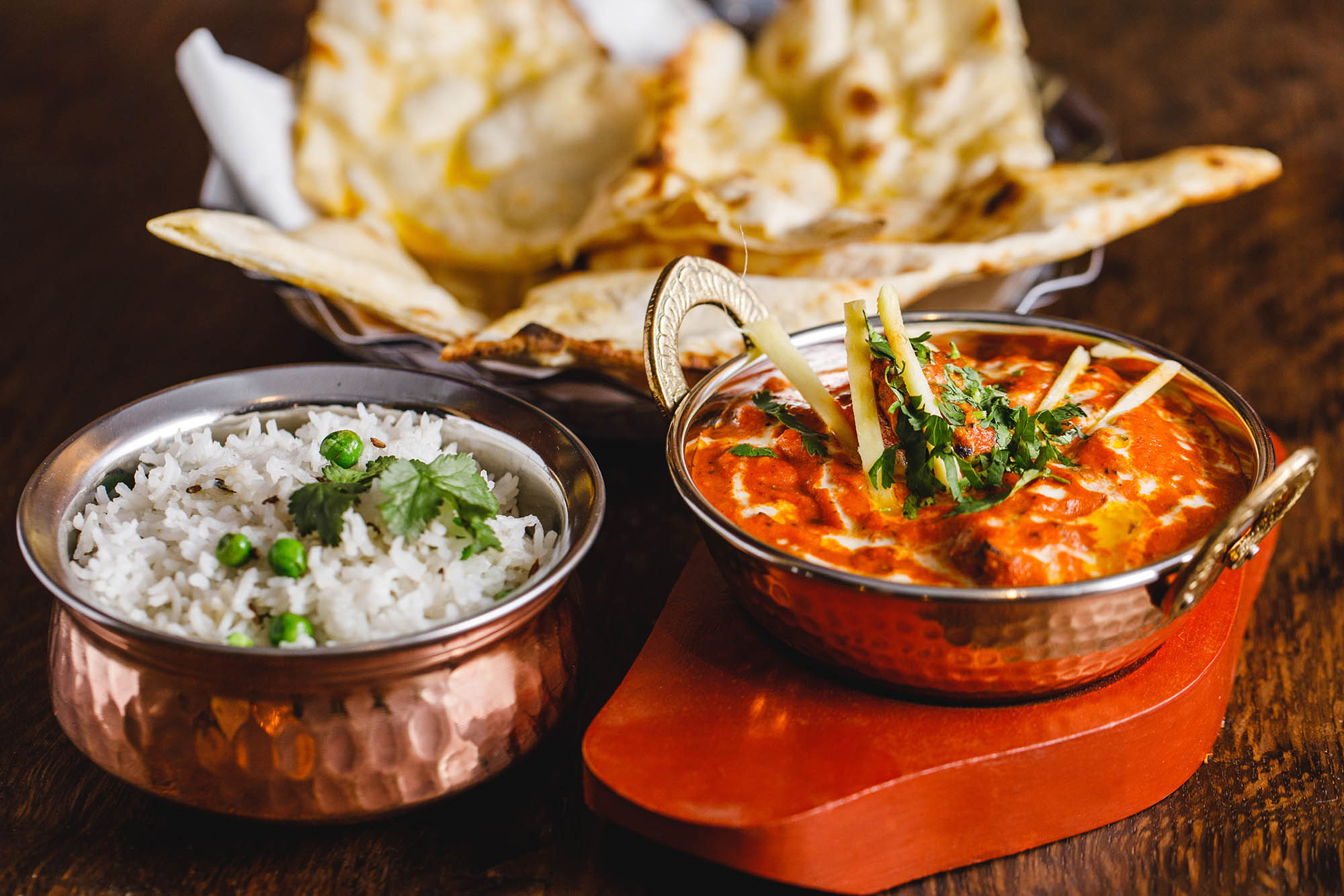
There is also the matter of the fuel. Traditional clay ovens use charcoal or wood, and the smoke from those fuels infuses the food. Even in modern restaurants that use gas-fired tandoors, the clay still holds some of that smoky character because the walls absorb combustion byproducts. You cannot fake that with liquid smoke or a smoking gun. It has to come from the oven itself.
Practical Considerations for Clay Oven Cooking
If you are thinking about trying clay oven cooking at home, there are a few things to know. First, you need to season the oven before you use it. This means heating it slowly over several sessions to drive out moisture and prevent cracking. Rushing this step can ruin the oven. Second, temperature control takes practice. Unlike a conventional oven where you set a dial and walk away, a clay oven requires you to manage the fire. You learn to read the colour of the flames and the feel of the heat on your face. It is more work, but the payoff is worth it.
Another consideration is the type of food you cook. Clay ovens excel at high-heat, quick-cooking dishes. Skewers of marinated meat, flatbreads, and small vegetables work beautifully. Large roasts or braises are better suited to a Dutch oven. The key is matching the food to the oven's strengths. I have seen people try to cook a whole chicken in a small tandoor, and it always ends up burnt on the outside and raw in the middle. Respect the limitations, and the oven will reward you.
One more practical point: cleaning. Clay ovens are not dishwasher safe. You clean them by burning off residue at high heat and then brushing out the ash. Some people worry about this, but it is actually easier than scrubbing a baking tray. The heat sterilises the surface, and the ash wipes away with a stiff brush. A well-maintained clay oven can last for decades.

Common Dishes That Showcase the Technique
The most famous example of clay oven cooking is tandoori chicken. The yogurt marinade with turmeric, cumin, and chilli clings to the meat, and the intense heat of the oven chars the outside while keeping the inside moist. The same technique works for lamb chops, fish, and paneer. Each protein reacts differently to the heat, but the principle is the same: high heat, short cooking time, and a marinade that can handle the smoke.
Breads are another category where clay ovens shine. Naan, roti, and paratha all benefit from the direct contact with the clay wall. The bread sticks to the side of the oven, bubbles up, and cooks in seconds. The result is a texture that no skillet can achieve. The outside is slightly crisp, the inside is soft and chewy, and there are charred spots that taste of the fire.
Vegetables also do well. Cauliflower, bell peppers, and onions take on a sweetness when cooked in a clay oven that you do not get from roasting in a metal pan. The high heat caramelises the sugars quickly, and the smoke adds a layer of complexity. I have served grilled cauliflower seasoned only with salt and oil, and people have asked what spice blend I used. It was just the oven.
How Restaurants Use Clay Ovens Today
In professional kitchens, clay ovens are often the centrepiece of the cooking line. At Smokey Barrels, an Indian restaurant and sports bar at 1741 Coventry Rd, Birmingham B26 1DS, UK, the kitchen is built around the clay tandoor. They serve mixed grills, chicken tikka, seekh kebabs, lamb chops and masala fish, all cooked in that same clay environment. The menu also includes curries, vegetarian dishes, pub classics and a children's menu. The spice menu is halal, and the bar pours nine beers on tap, cocktails and pitchers, with live sports on big HD screens. There is free on-site parking, a beer garden, and private hire for 70 to 150 guests. You can reach them at +44 121 764 5519. It is a place where the tradition of clay oven cooking meets the energy of a modern sports bar, and the food benefits from that combination.
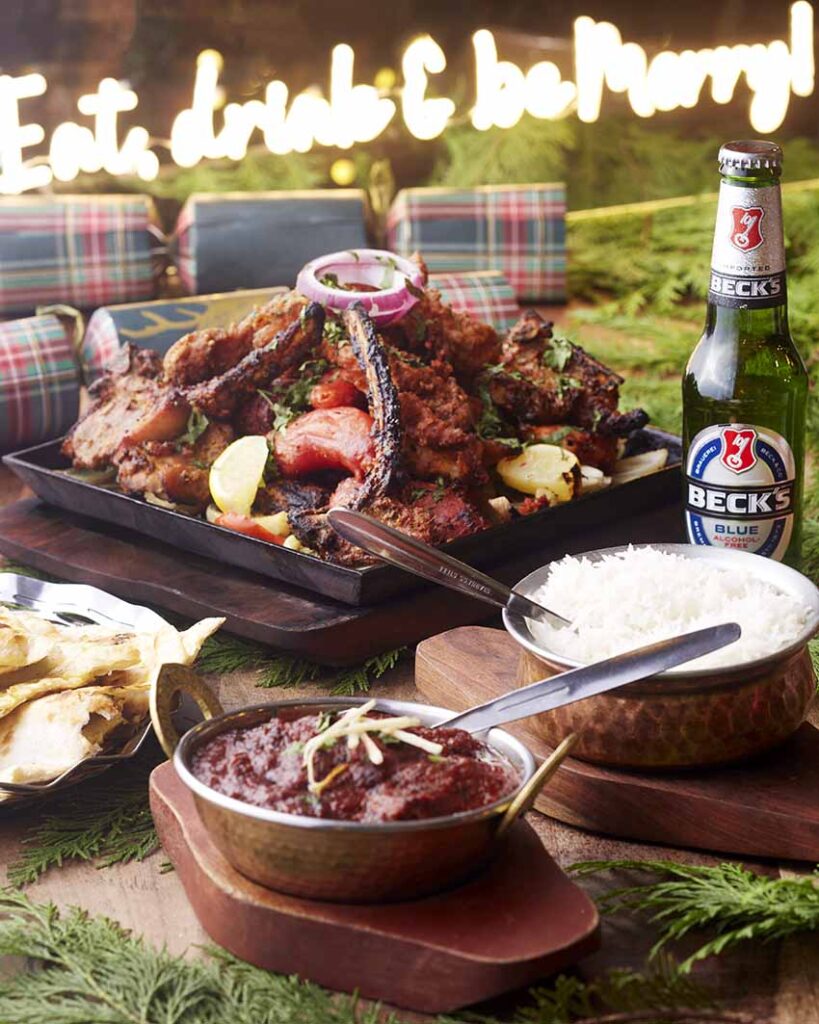
What I appreciate about restaurants that invest in clay ovens is the commitment to craft. It would be easier to use a standard grill or a convection oven. But the owners and chefs who choose clay are choosing flavour over convenience. They understand that the oven is not just a tool; it is an ingredient. The food tastes different because of it, and customers notice.
Connect with us on Facebook.
Final Thoughts on the Method
Clay oven cooking is not complicated, but it is demanding. It asks you to pay attention, to work with fire, and to accept that some variables are out of your control. That is exactly why the results are so rewarding. In a world of instant everything, taking the time to build a fire and cook in a vessel made from the earth feels like a small act of resistance. It connects you to the cooks who have been doing this for thousands of years. And the food, when it comes out of the oven, reminds you why they never stopped.